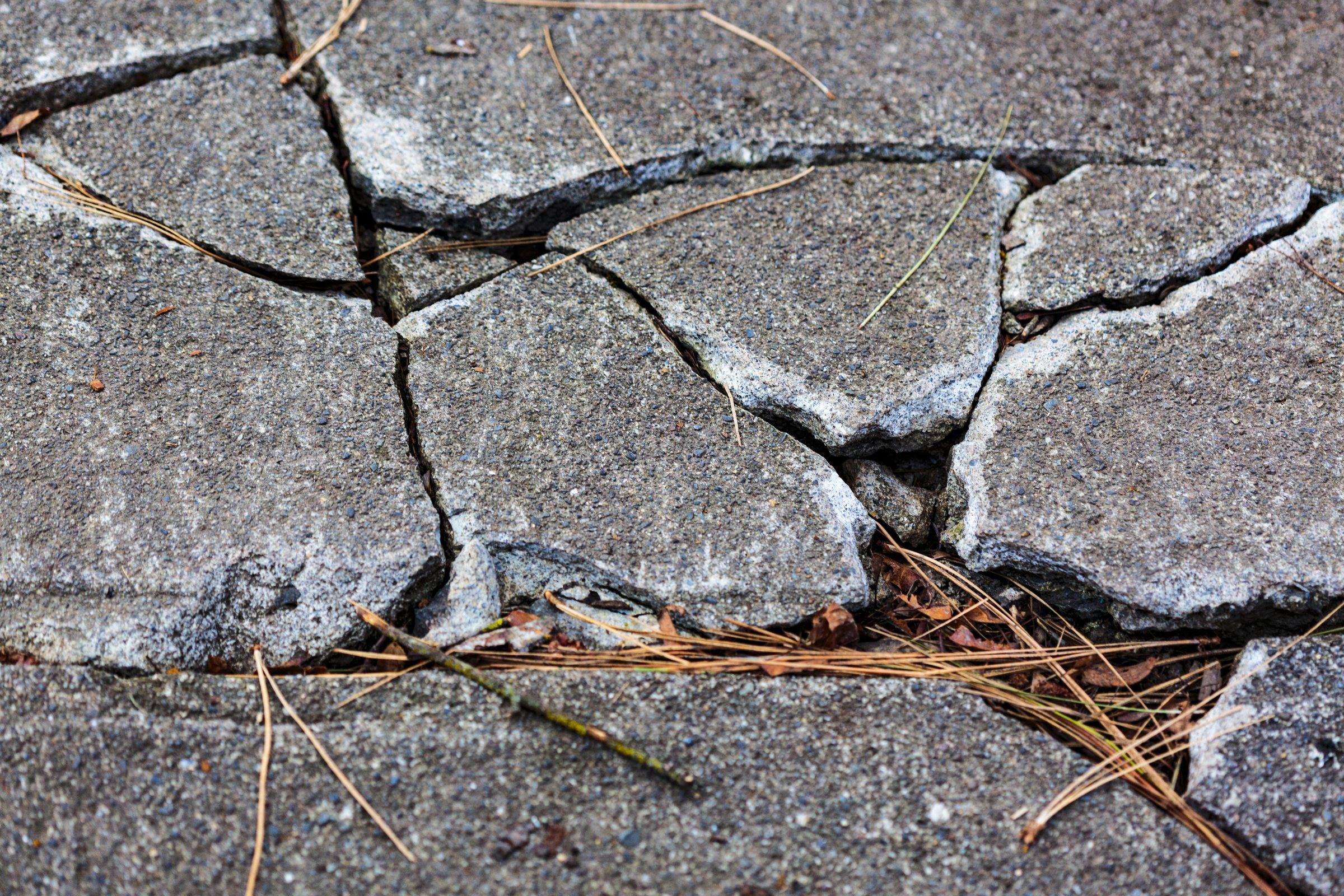
Sunken panels
A section near the garage or street has dropped and now catches water or a plow blade.
Driveways · Menomonee Falls
A driveway takes more abuse than any other slab on the property: vehicle weight every day, plow blades and shovels all winter, salt tracked in from the street, and water that freezes in every crack it can find.
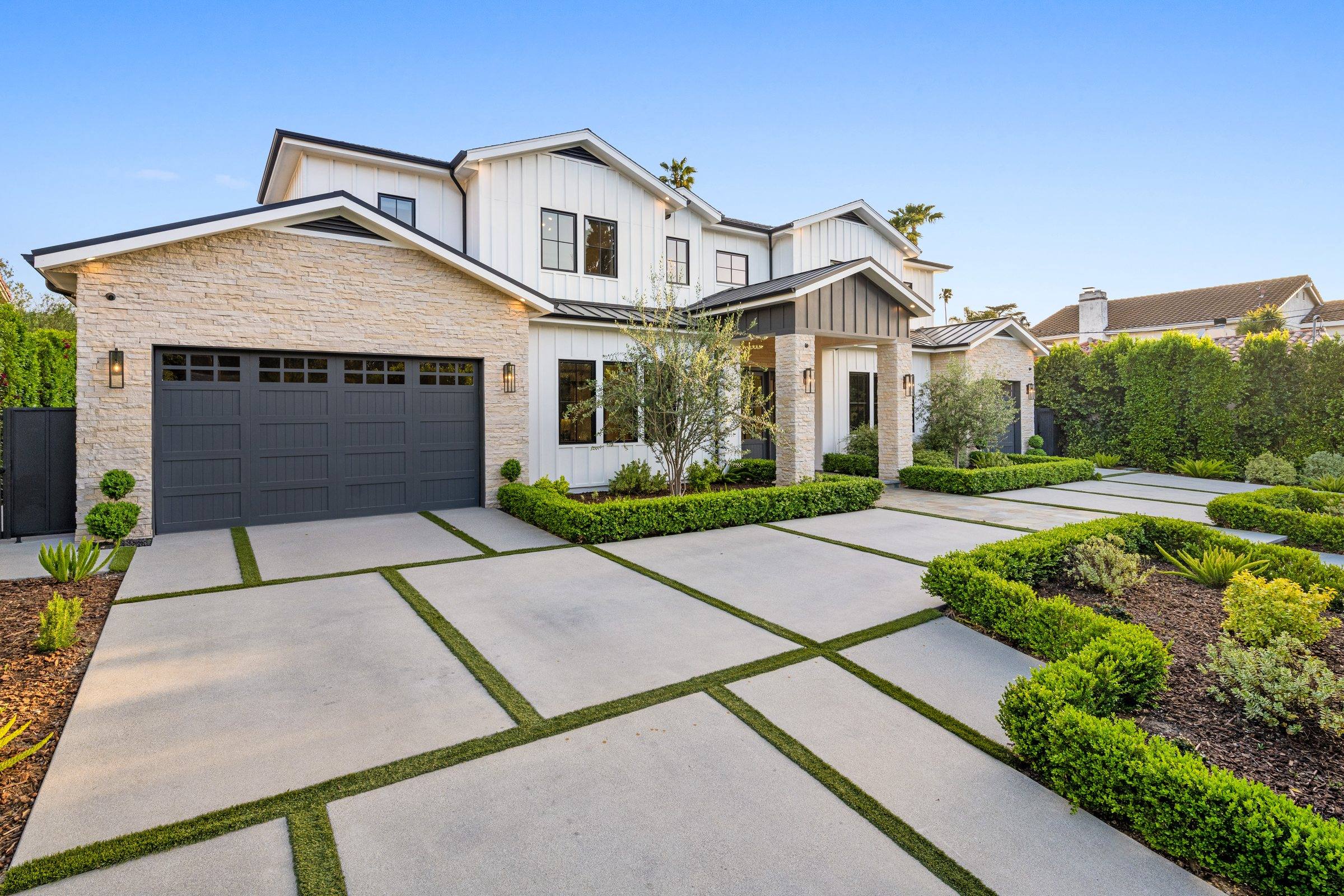
Menomonee Falls Elite Concrete builds driveways for that workload. We dig out to firm soil, build and compact the base, set the slab thickness for what will park on it, and plan joints and slope before any concrete is ordered.
A cracked or sunken driveway is usually a base problem, not a surface one. Soft spots in the subgrade, a thin or poorly compacted base, or water that sits against the slab all lead to the same thing: settling, cracking and heaving after a few freeze-thaw seasons. So the first part of our estimate is a look at the ground, the grade and where water goes now.
From there we size the job. Two cars or three? A turnaround so nobody backs into traffic? A wider apron where the drive meets the garage? We talk through how you actually use the space so the new slab fits it, not just the outline of the old one.
The finish is usually a broom texture for traction, with tooled or saw-cut control joints placed so cracks, if they come, follow straight lines instead of wandering across the slab.
Common situations
If one of these sounds familiar, it’s worth having someone look at the base, not just the surface.
A section near the garage or street has dropped and now catches water or a plow blade.
The top layer is peeling off after years of salt and freeze-thaw cycles.
Cracks that widen or shift every spring usually point to movement underneath.
A single-lane drive that made sense decades ago and now means a daily car shuffle.
A slab that pitches the wrong way and sends meltwater under the garage door.
An old asphalt drive breaking apart that owners want to replace with concrete.
The process
The sequence below covers most residential driveways. Larger or commercial drives follow the same logic with heavier specs.
We measure, check elevations at the garage and street, and look at drainage and soil.
Thickness, base depth, reinforcement, joint layout, finish and cleanup are spelled out in the estimate.
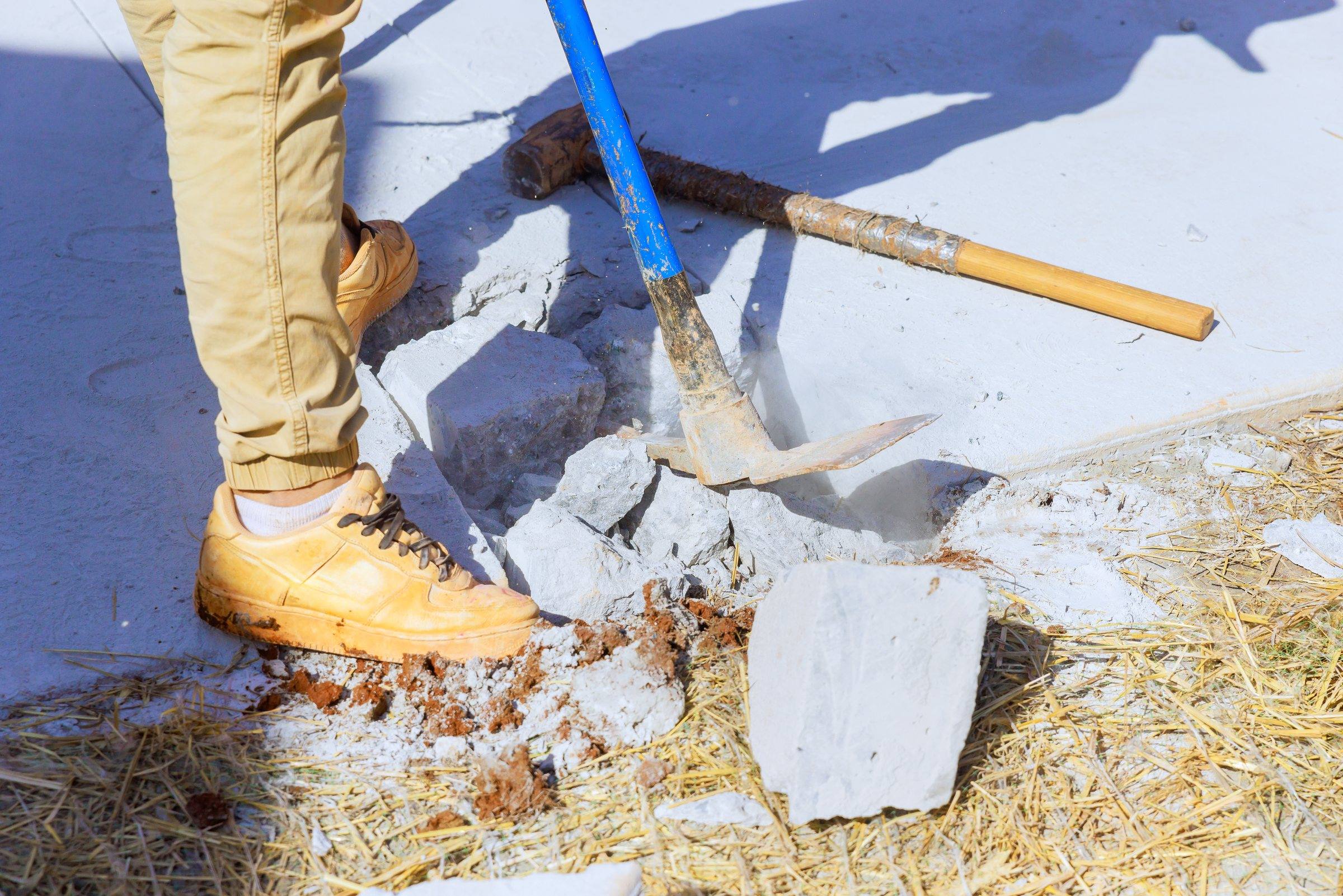
Old concrete or asphalt is broken out and hauled away, and the subgrade is dug to depth.
Granular base goes in and is compacted in lifts so the slab has even, firm support.
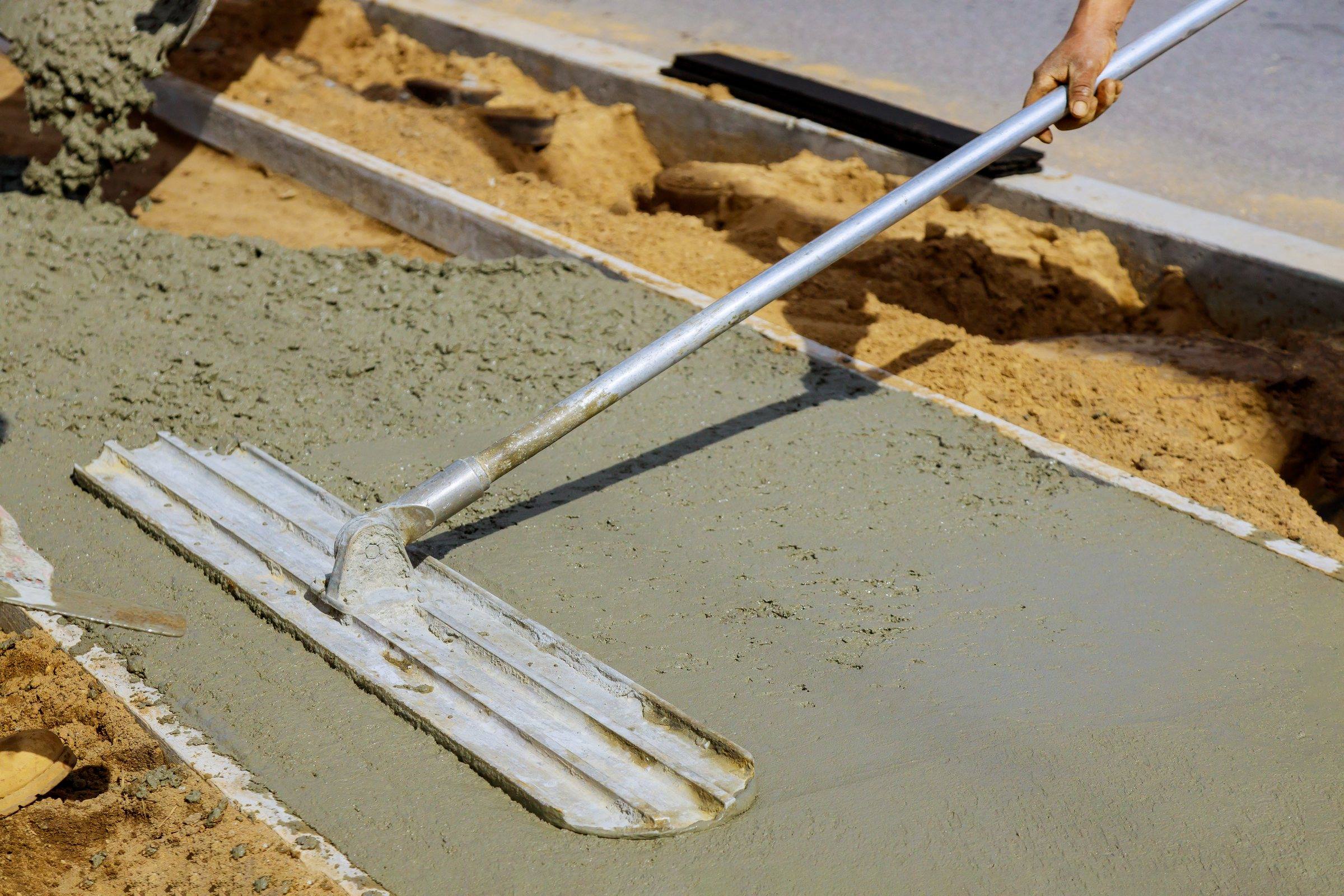
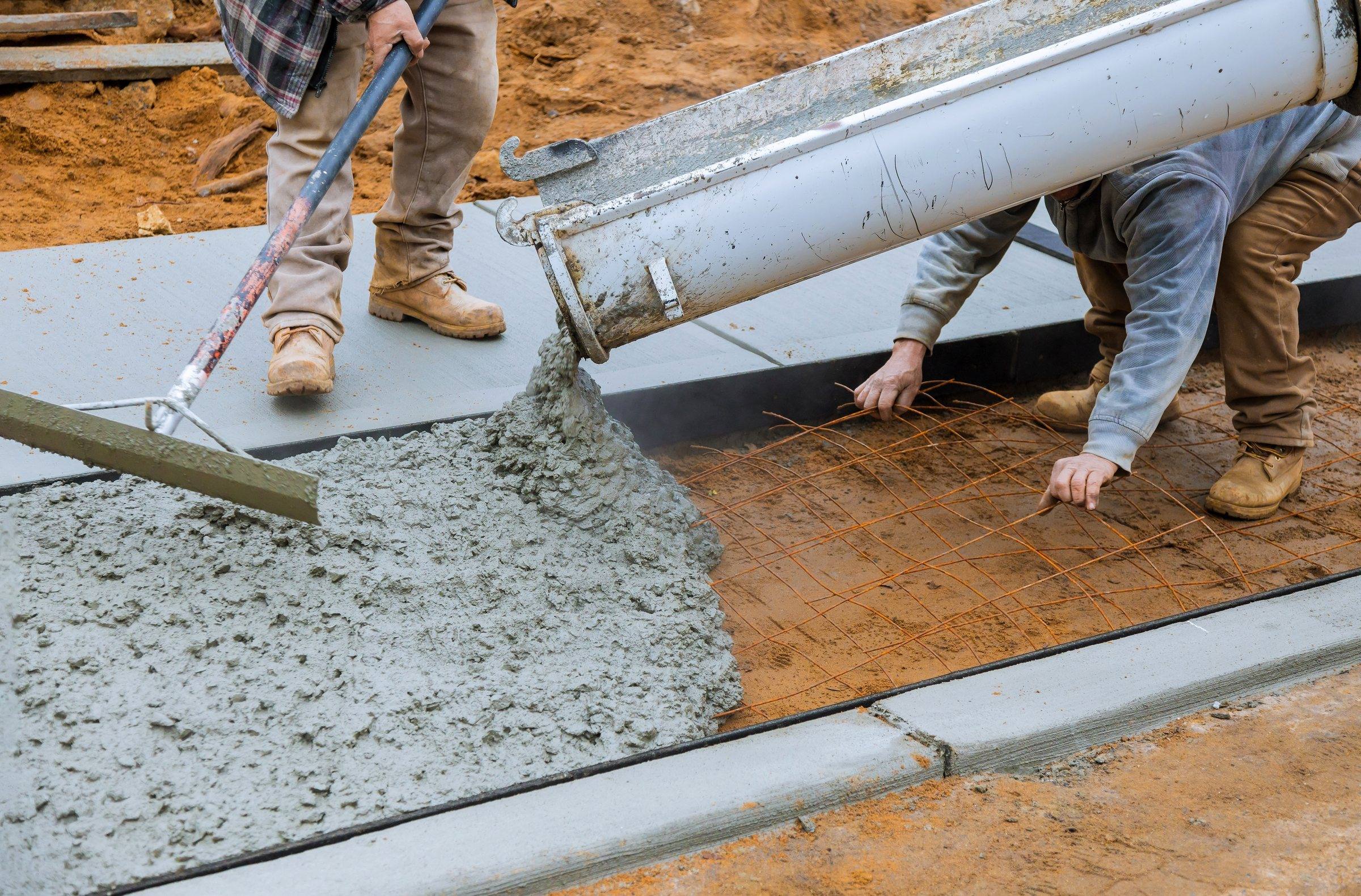
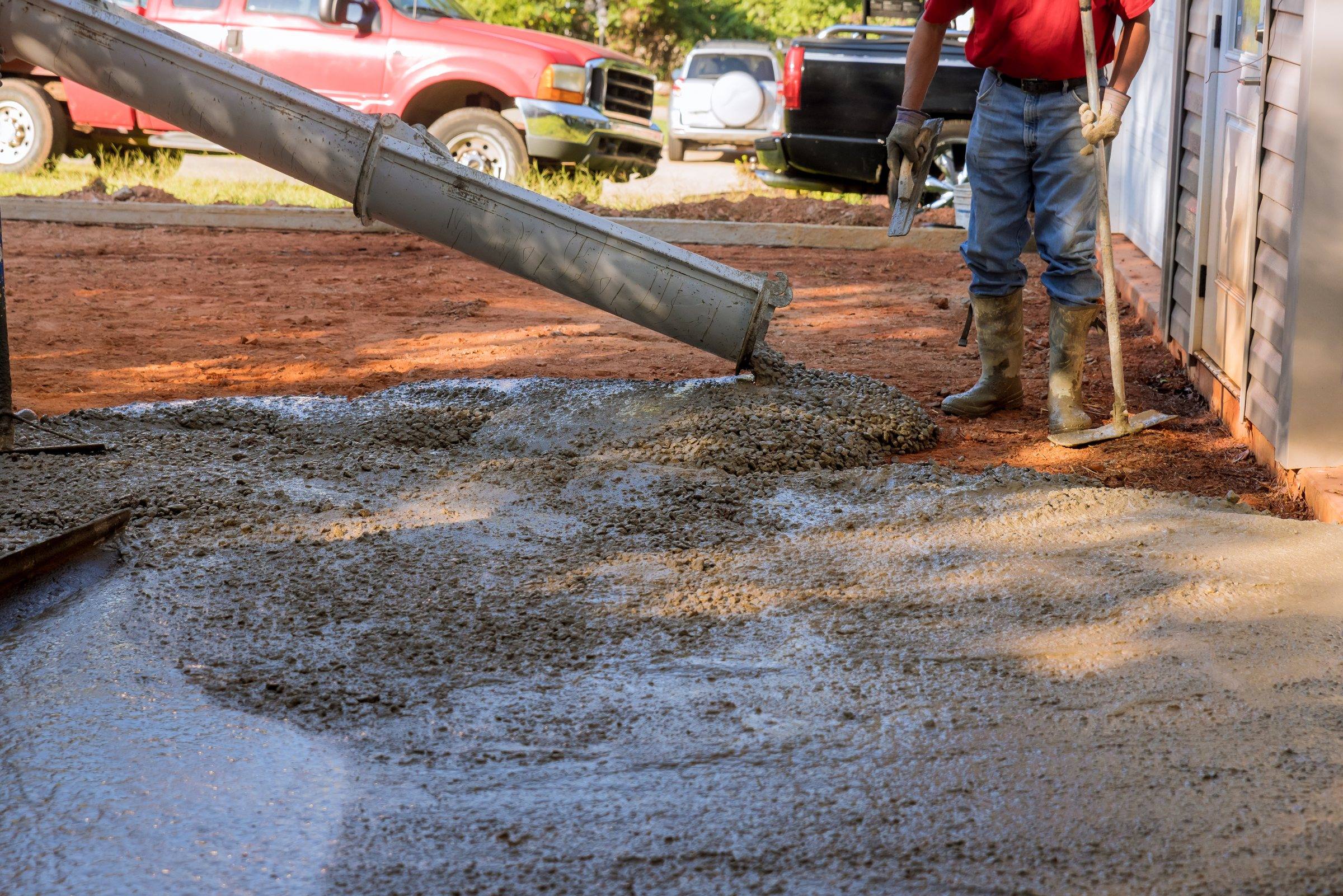
Forms set the shape and slope; concrete is placed, struck off, floated, broomed and jointed.
The slab cures before traffic. We tell you when to walk on it and when it can take a vehicle.
Materials & finishes
Most driveways are plain broom-finished concrete. A few upgrades are worth knowing about.
The standard for good reason: durable, grippy in wet weather and easy to shovel.
Extra room at the garage or a side pad for a third car or a trailer.
A stamped or colored edge band that dresses up the drive without stamping the whole slab.
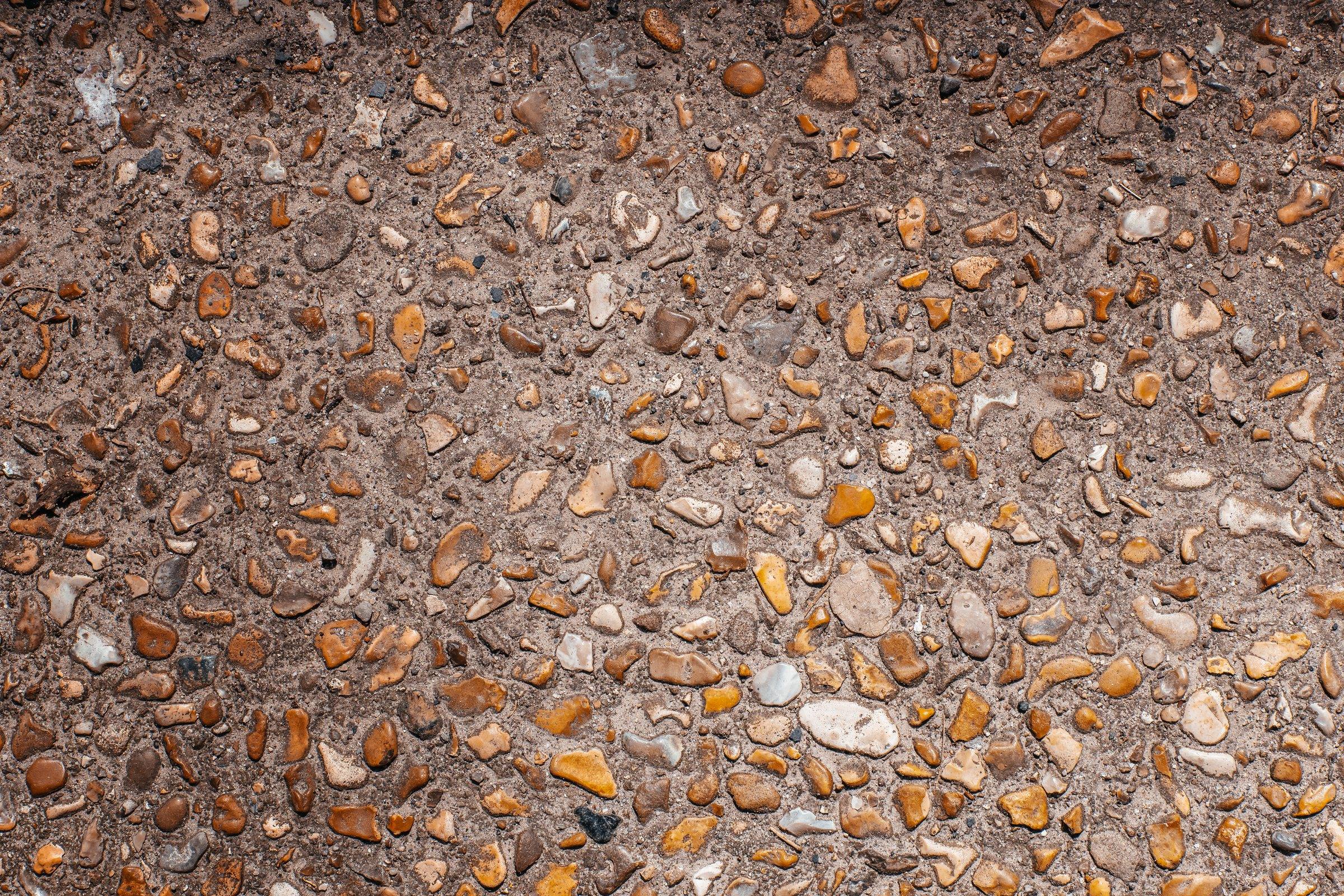
A pebbled surface with good traction and a look that hides tire marks.
Thickness and reinforcement depend on the vehicles and soil. We’ll recommend a spec after seeing the site.
Benefits
Built on a proper base and maintained, a concrete drive can serve for decades.
Unlike asphalt, it doesn’t need regular sealcoating to stay intact.
It won’t soften or rut under tires on hot summer days.
A light, even surface makes the front of the house look cared for.
Residential
Replacement driveways, widening, aprons, turnarounds, parking pads and driveway approaches for homes.
Commercial
Drive lanes, entrances and parking areas for small commercial and multifamily properties, scoped site by site.
Before & after
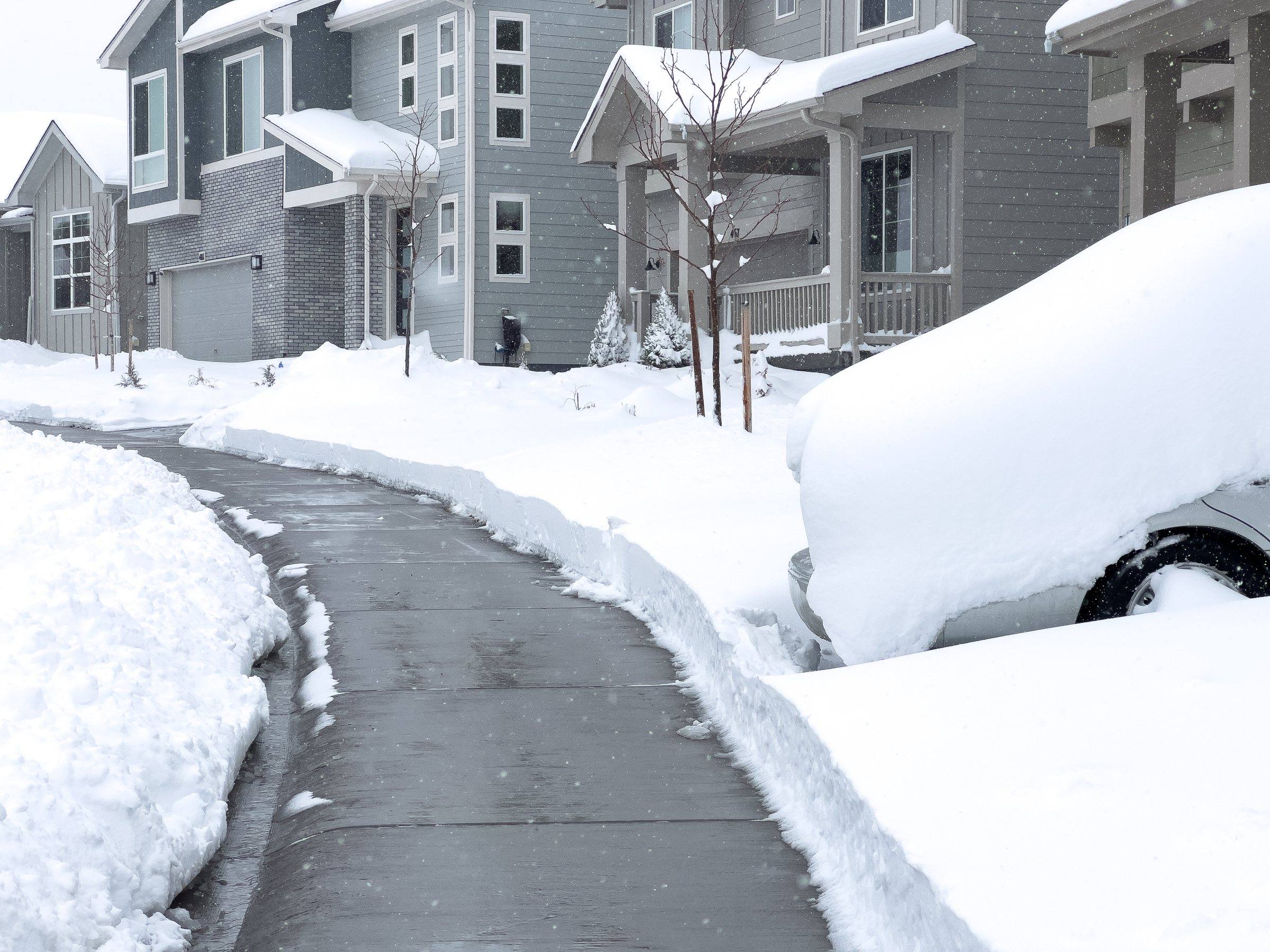
Drag the divider to compare. This is an illustration, not a photo of our work; real project photos will replace it.
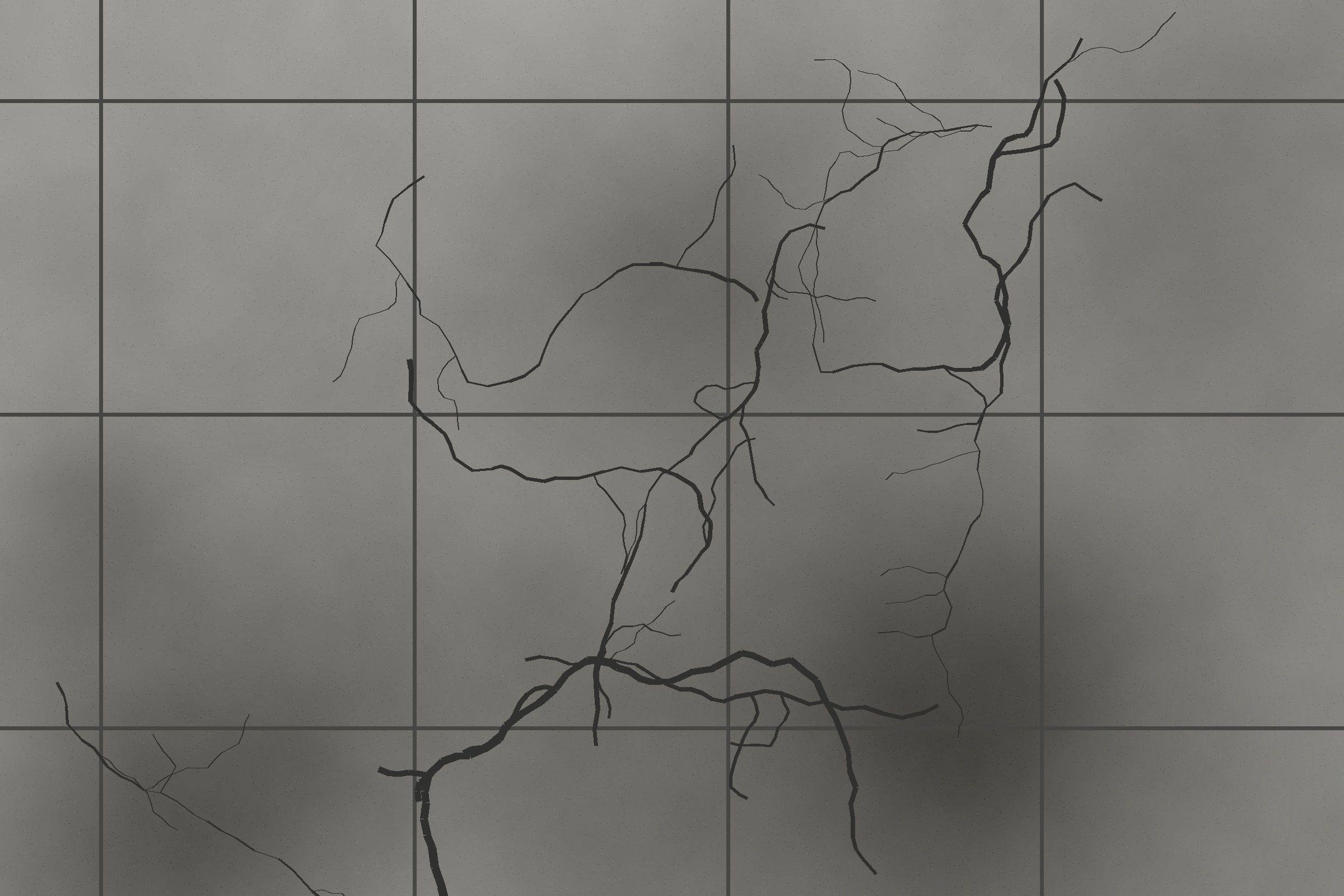

Illustration only — not a photo of a Menomonee Falls Elite Concrete project. Genuine project photos will replace it.
Local conditions
Menomonee Falls has a wide spread of homes, from postwar ranches and split-levels with modest drives to newer subdivisions with three-car garages. The right driveway width, slope and joint layout depend on which one you have.
Winters here mean plows, salt and repeated freezing and thawing. We plan for that with drainage that moves water off the slab, joints that control cracking, and care instructions for the first winter.
FAQ
Residential driveways are commonly poured around 4 to 5 inches thick, with thicker sections where heavier vehicles park. We’ll recommend a thickness for your site and write it into the estimate.
Driveway and approach work often needs a permit, especially where it meets the street. We check the Village of Menomonee Falls requirements for your project before scheduling.
Walking on it is typically OK within 24 to 48 hours. Cars generally wait about a week, and heavier vehicles longer. We’ll give you dates for your pour.
Concrete can be placed in cool weather with precautions such as blankets, but freezing temperatures during early curing cause damage. We schedule around the forecast.
A quality penetrating sealer can help resist salt and moisture. We’ll tell you when it’s safe to apply and how often to reapply.
Sometimes. If only a few panels have failed and the rest is sound, replacing sections can make sense. We’ll tell you honestly if the whole slab is near the end.
Free estimates · Menomonee Falls
Send a short description and a few photos of your concrete driveway installation project. We’ll follow up, visit the site, and put the scope in writing.